Health Committee approves Bill criminalising hospital detention over medical debts
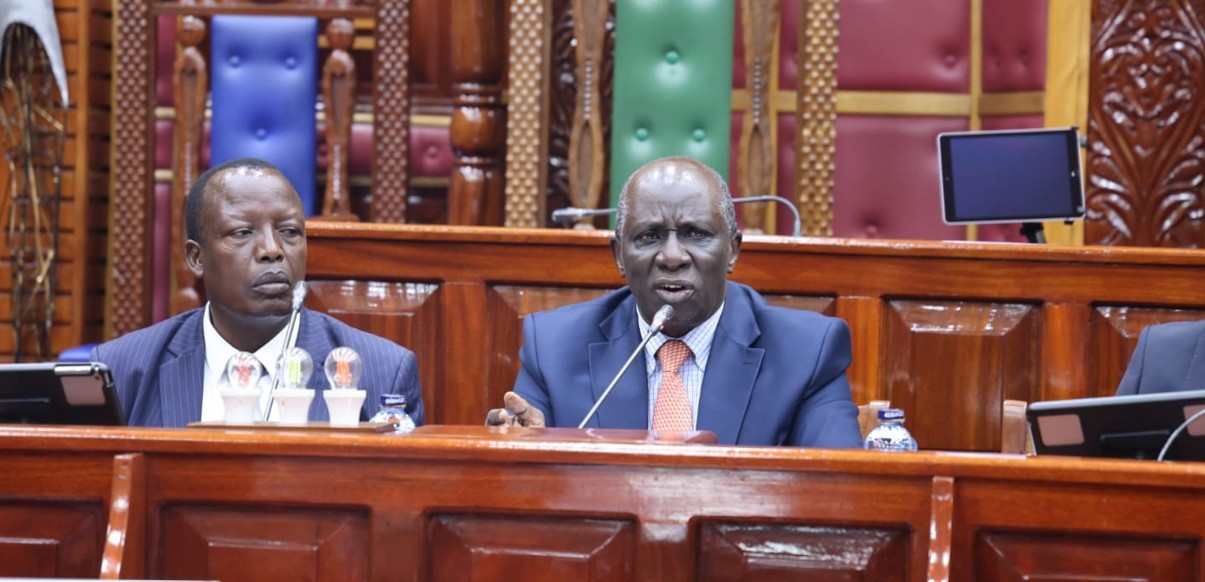
Parliament’s Health Committee has approved a Bill to criminalise detaining patients or bodies over unpaid medical bills in Kenya, imposing fines and jail terms while requiring lawful debt recovery.
Kenya is on the verge of outlawing the detention of patients and bodies in hospitals over unpaid medical bills.
The National Assembly Health Committee has approved the Health (Amendment) Bill, 2025, opening the door for debate in Parliament on a law designed to treat healthcare as a right, not a leverage tool, and to prevent families from enduring unnecessary suffering.
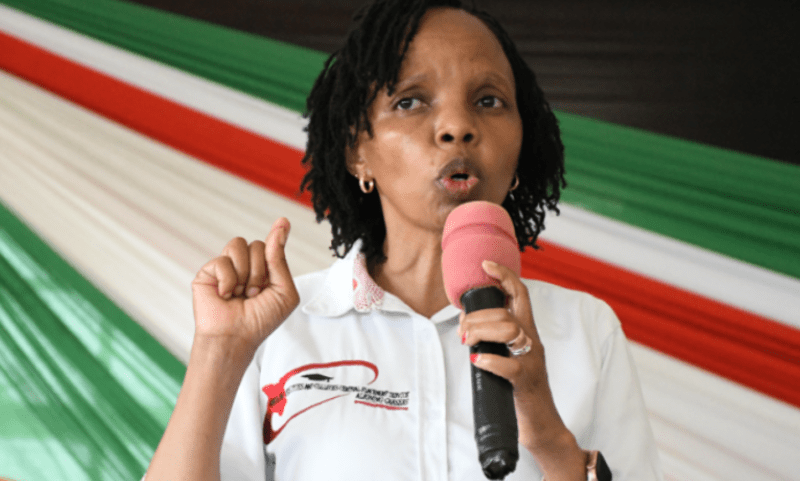
Sponsored by Kirinyaga Woman Representative Jane Njeri Maina, the Bill explicitly criminalises holding patients or corpses as collateral for unpaid bills.
Section 7A of the Health Act, introduced through the amendment, sets clear penalties: hospital administrators who detain patients face imprisonment, and institutions can be fined up to Sh2 million.
The Bill also clarifies that debts remain enforceable but must be recovered through legal means, not confinement.
In addition, the legislation targets public health facilities and health care providers who demand payment of fees before treatment.
The Health Committee’s proposed amendments stipulate that anyone in charge of a public health facility who demands or permits payment of prospective medical or admission fees before emergency treatment will face a fine of Sh3 million.
Likewise, detaining or allowing the detention of a deceased person’s body to enforce payment will attract a fine of Sh2 million.
“The proposed amendment is therefore intended to resolve the problem of patients or their relatives/kin having to pay medical fees and/or admission fees before their admission and treatment in public health facilities,” the Bill reads in part.
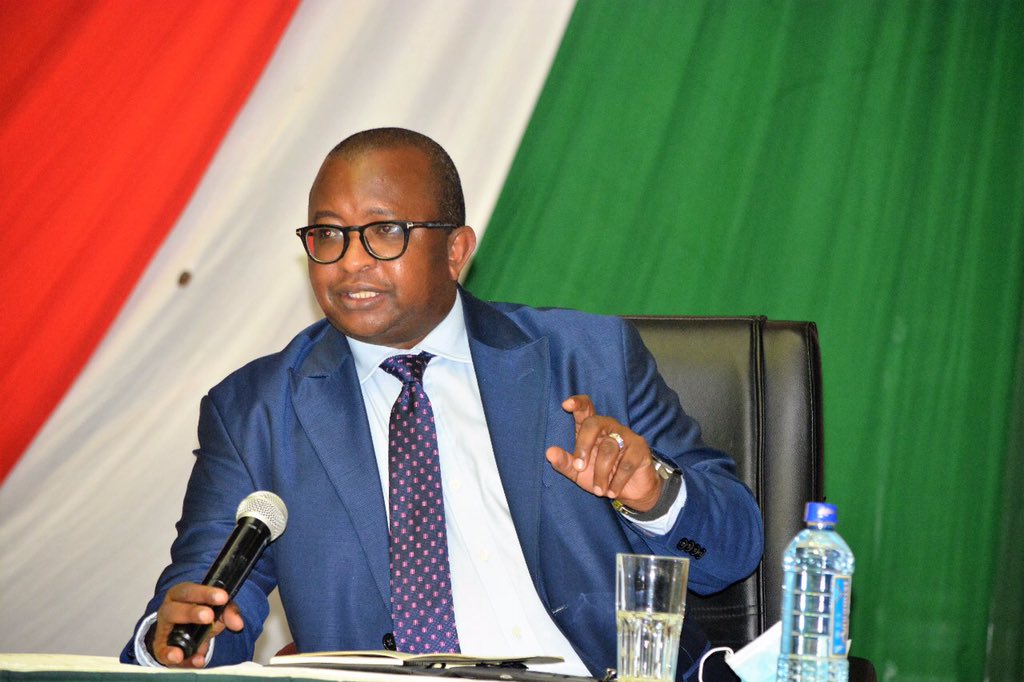
Committee Chairperson James Nyikal highlighted that the Bill responds to widespread cases where hospitals and medical providers have detained deceased bodies to recover unpaid bills.
“The High Court in Mutua v Mater Misericordiae Hospital [2025] KEHC 13266 held that there is no law in Kenya that makes provision for a hospital’s right of lien over patients or over their remains should they die while hospitalised or while undergoing treatment. There is also no property in a dead body and hence no right of lien on a dead body. Debts related to treatment and mortuary charges are recoverable as civil debts and should be pursued as such, through demand and litigation if need be,” Nyikal said.
The Committee observed that hospitals should use lawful mechanisms, such as executing promissory notes under the Bills of Exchange Act, Cap 27, to recover unpaid bills.
“Article 28 provides that every person has inherent dignity and the right to have that dignity respected and protected. This right extends posthumously,” the report adds.
MP Maina stressed the human impact of the current practice.
“This practice is turning our healing centres into holding cells,” she said. “Poverty should not be a crime punishable by imprisonment in a hospital bed.”
Other Topics To Read
Families often face delays in burials, mothers remain trapped in maternity wards, and grieving relatives endure emotional trauma while hospitals attempt to recover fees.
If enacted, the Bill will cover all health institutions, public, private, and faith-based, ensuring that emergency care is provided without preconditions and that debts are pursued legally.
Advocates say it will mark the end of the era of “hospital prisons,” safeguard patients’ rights, and uphold human dignity.
Top Stories Today